
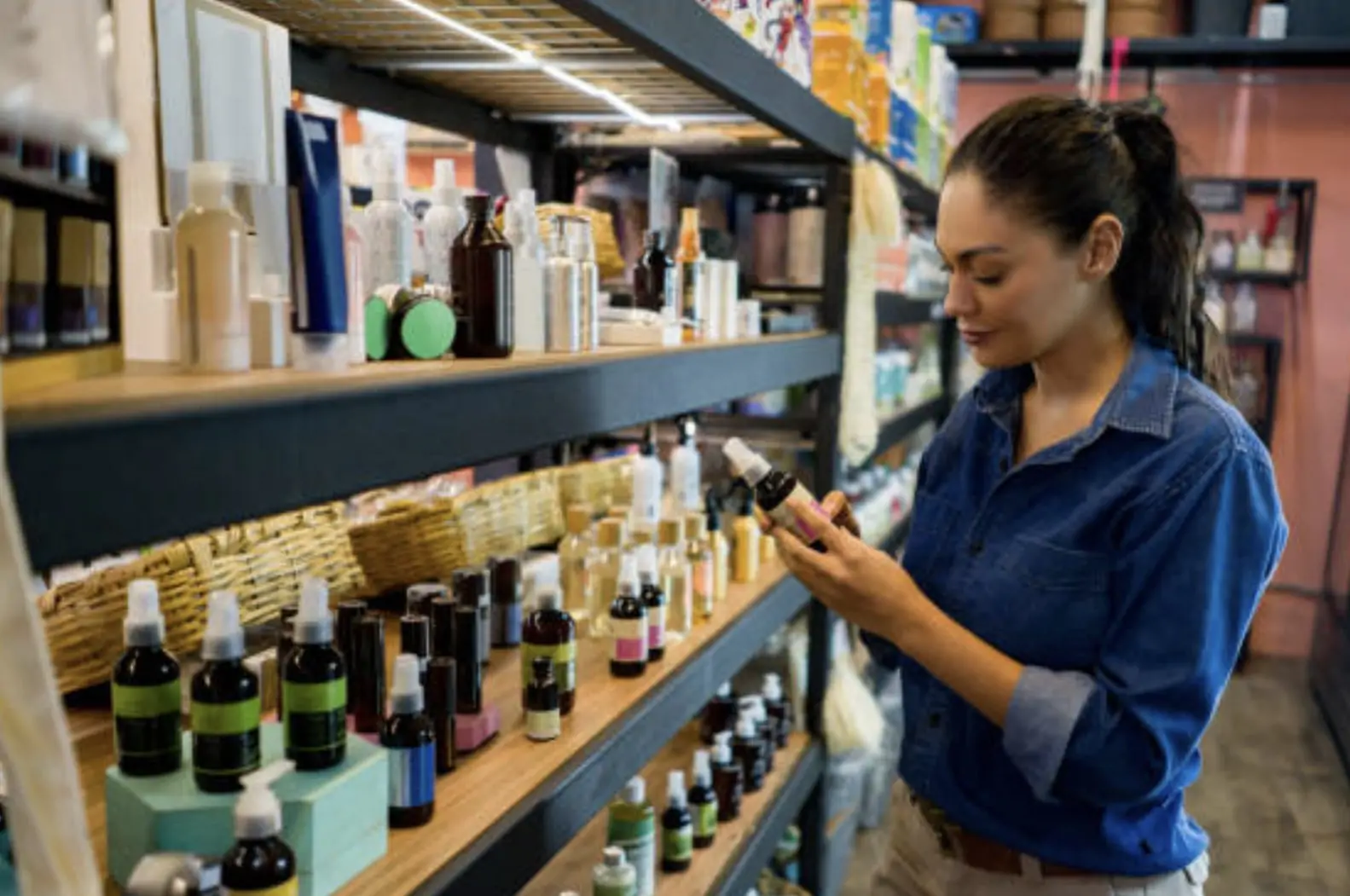

In a marketplace where wellness is no longer a trend but a fully embedded lifestyle, packaging has become more than a container — it’s a conduit for brand storytelling, customer engagement, and consumer trust. Yet, as inflation ripples across global supply chains, the costs of materials, energy, labor, and transportation are driving packaging decisions into new and often more constrained territory. For wellness brands operating at the intersection of innovation, aesthetics, and performance, this financial pressure presents both a challenge and an opportunity.
Inflation is not just influencing the price of goods — it’s reshaping the entire packaging landscape. The rising cost of paperboard, plastics, adhesives, and sustainable materials is forcing brands to reevaluate how they balance visual impact with cost-efficiency. Logistics complications and longer lead times add further layers of complexity. But even as the pressure mounts, wellness consumers continue to expect packaging that feels premium, intentional, and aligned with their values. For many shoppers, the package is the product’s first impression — and possibly its last chance to stand out in an oversaturated category.
From botanical supplements to protein snacks and adaptogenic beverages, the wellness aisle is brimming with competition. New entrants and legacy players alike must differentiate quickly and effectively. Today’s packaging must work overtime — not only containing and protecting but also communicating quality, functionality, and identity in a matter of seconds. This is especially true for digitally native or subscription-based wellness brands, where packaging often doubles as part of the unboxing experience and word-of-mouth marketing strategy.
Cost-Conscious Innovation Through Smart Packaging
In this inflationary period, success lies in finding the sweet spot between creativity and cost-control. One of the most effective strategies is to rethink the structure and composition of packaging. Lightweight materials, right-sized containers, and modular packaging systems can significantly reduce costs without diminishing perceived value. By reengineering how products are packed and presented, brands can preserve shelf appeal and cut unnecessary expenses.
Smart design enhancements are also proving their worth. Specialized finishes like soft-touch coatings, matte laminates, or metallic accents can elevate aesthetics without a full packaging overhaul. These elements deliver tactile richness and visual impact that reinforce brand positioning, all while remaining scalable and cost-efficient. Meanwhile, collapsible formats, resealable pouches, and minimalist labeling offer functionality with reduced material use.
Another powerful tool in the cost-conscious brand’s arsenal is information design. Instead of expanding packaging real estate or producing costly inserts, some brands are incorporating fold out labels that maximize space for regulatory content, storytelling, or multilingual information. These labels serve dual purposes: complying with industry requirements while creating an immersive brand moment that educates and connects with the consumer.
The Sustainability Balancing Act
Sustainability remains a top priority for wellness consumers, but achieving eco-conscious packaging in an era of inflation isn’t always straightforward. While compostable films, recycled paper, and plant-based inks are on the rise, they often come with higher price tags or supply chain limitations. Brands must weigh environmental responsibility against operational feasibility — especially when margins are tight.
One solution is to take a phased or hybrid approach. Instead of a complete material transition, brands can incorporate recycled content into portions of their packaging or introduce refillable formats for flagship products. Educating customers on the reasoning behind these incremental shifts also supports transparency and loyalty.
Collaboration is Key
To succeed in this complex climate, wellness brands must embrace packaging as a strategic advantage. That means collaborating with packaging experts, designers, and suppliers who understand the nuances of cost optimization, material sourcing, and brand integrity. Partners who can offer nimble design solutions, flexible production timelines, and access to innovative materials will be instrumental in helping brands remain competitive without sacrificing quality.
Ultimately, the brands that will thrive in this inflation-conscious era are those that treat packaging not as an afterthought but as a core part of the product experience. With the right combination of creativity, pragmatism, and strategic partnerships, even the most cost-sensitive wellness brand can deliver packaging that delights, informs, and endures — without breaking the bank.
Explore our visual resource to discover how creative packaging strategies can help your brand adapt and thrive amid rising costs.


Comments are closed.