
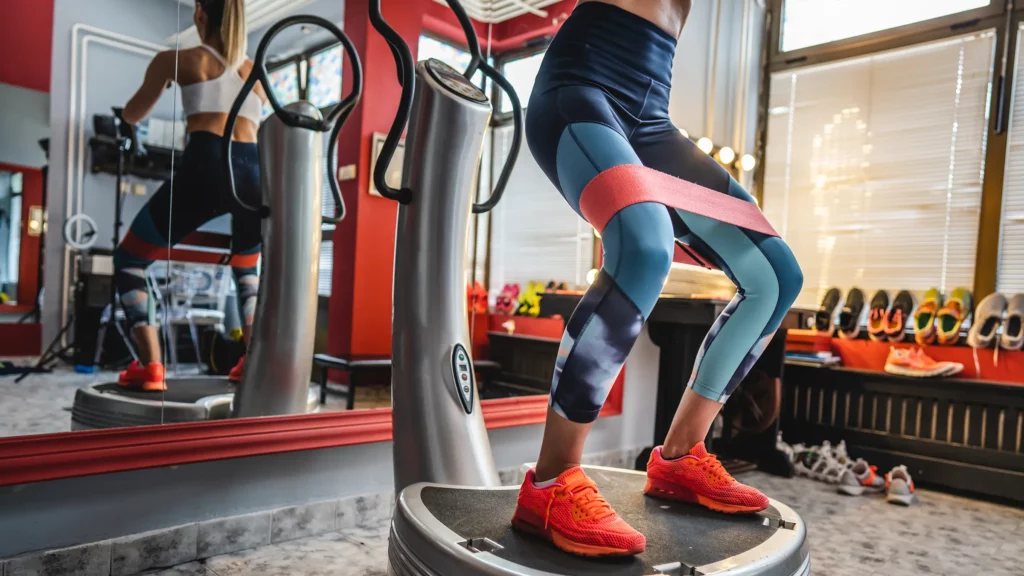

Modern fitness culture often focuses on visible features. People notice the machines, weights, mirrors, lighting, screens, and training zones first. Those features matter, but they do not tell the full story. A gym that supports serious long-term progress must also support recovery. Without recovery, even the most advanced equipment cannot help people train well for long.
Someone searching for the best gym singapore should look beyond the equipment list and ask a more practical question: does the facility help people recover well enough to keep training consistently? Recovery is not only about rest days. It includes warmups, cooldown spaces, mobility work, hydration, changing facilities, climate comfort, and the ability to balance intense sessions with lower-intensity movement.
Why Recovery Is Part of Training
Many people treat recovery as something separate from fitness. They train hard, leave the gym, and assume results will follow. In reality, the body adapts during recovery. Muscles repair, energy systems reset, and the nervous system calms down after training.
A gym that ignores recovery may encourage members to push too hard too often. That can lead to fatigue, soreness, poor motivation, and inconsistent attendance.
A better fitness environment helps people understand that progress depends on both effort and restoration.
Fancy Equipment Does Not Guarantee Better Results
A gym can have impressive machines and still fail to help members progress if they do not use the equipment properly or recover between sessions. Equipment is a tool. It needs to fit into a balanced routine.
For example, a person who trains hard every day without rest may feel exhausted after a few weeks. Another person who mixes strength, cardio, mobility, and recovery may stay consistent for months.
The second person is likely to make better long-term progress, even if the equipment is less flashy.
Recovery Facilities Support Repeatability
The best workout is not always the hardest one. It is the one a person can repeat safely and consistently. Recovery facilities help make that possible.
Useful recovery-related features may include:
- Stretching zones
- Comfortable changing rooms
- Showers
- Lockers
- Hydration points
- Cooler indoor training spaces
- Lower-intensity class options
- Mobility or yoga sessions
- Space for cooldowns
- Clean towel practices
These details help members finish workouts properly and return for the next session.
Stretching Space Matters
A stretching area may seem simple, but it can strongly affect the workout experience. People need space to warm up before training and cool down afterward. If there is no clear space for stretching, members may skip it.
Skipping warmups and cooldowns can make training feel rougher on the body. Over time, people may associate exercise with stiffness or soreness.
A dedicated area for mobility and stretching encourages better habits. It also signals that the gym values the full training process, not only the intense part.
Mobility Is Not Only for Flexible People
Mobility work is useful for many people, especially those who sit for long hours. It can help prepare the body for strength training, cardio, and classes. It does not need to be complicated.
Simple mobility habits may include hip openers, shoulder rotations, controlled lunges, light stretching, and breathing drills.
Climate Comfort Supports Recovery
In Singapore, recovery begins with temperature and humidity control. Training in a hot and humid environment can increase fatigue. A climate-controlled indoor gym helps members manage effort more comfortably.
This matters after workouts too. If someone finishes a hard session and immediately feels overheated, recovery can feel unpleasant. A cooler environment makes cooldowns and post-workout transitions easier.
Climate comfort does not replace proper hydration or rest, but it makes the training experience more sustainable.
Showers and Changing Rooms Are More Important Than People Think
For many members, especially working adults, recovery includes practical transition time. They may train before work, during lunch, or after office hours. Clean showers and changing rooms can decide whether fitness fits into the day.
If a person cannot freshen up comfortably, they may avoid workouts around work. If the changing area is clean and convenient, training becomes easier to schedule.
This is especially important in Singapore, where people may sweat during both workouts and commutes.
Recovery Reduces the All-or-Nothing Mindset
Some people think every gym visit must be intense. That mindset often leads to burnout. A good gym environment gives members permission to choose different types of movement.
Some days may be for heavy strength training. Other days may be for yoga, cycling at a moderate pace, stretching, or light cardio. This range helps people stay active without overloading the body.
A facility that supports recovery makes fitness feel more balanced.
Lower-Intensity Classes Have Real Value
High-energy classes are popular, but lower-intensity classes are just as important. Yoga, mobility, stretching, and slower strength formats can help people manage stress and support movement quality.
These classes are especially useful for:
- Office workers
- People returning after a break
- Older adults
- People with stressful schedules
- Members who train multiple times per week
- Anyone who needs movement without exhaustion
A gym with only intense options may not support long-term balance.
Recovery Improves Training Quality
When people recover well, their workouts improve. They can lift with better form, maintain energy during cardio, and focus during classes. Poor recovery makes every session feel harder.
Signs of poor recovery may include:
- Constant soreness
- Low motivation
- Poor sleep
- Reduced strength
- Irritability
- Feeling unusually tired
- Skipping workouts repeatedly
A gym cannot control every part of a member’s recovery, but it can provide an environment that supports better habits.
Hydration Is Part of the Experience
Hydration is simple, but it matters. In humid climates, people may sweat heavily even indoors. Easy access to water and reminders to hydrate can improve the training experience.
Members should drink water before and after exercise. During longer or more intense sessions, hydration becomes even more important.
A facility that makes hydration easy helps members care for their bodies without overthinking it.
Recovery Also Supports Mental Consistency
Recovery is not only physical. A gym should also help people mentally reset. After a long workday, people may not want more pressure. They may need movement that helps them decompress.
A balanced gym environment can offer both energy and calm. Someone might choose a strength session one day and a yoga class another day. This gives fitness a broader role in daily life.
When exercise supports mental balance, people are more likely to continue.
The Best Gyms Create a Full Training Cycle
A complete training cycle includes preparation, effort, cooldown, recovery, and return. A basic gym may focus only on effort. A better gym supports the whole cycle.
This is important because long-term fitness is not built from isolated workouts. It is built from repeated cycles of training and recovery.
A thoughtful gym environment helps members move through that cycle naturally.
Choosing a Gym With Recovery in Mind
When comparing fitness options, people should look beyond the most impressive machines. They should ask how the gym supports the full routine.
Useful questions include:
- Is there space to stretch?
- Are showers and changing rooms practical?
- Are there lower-intensity classes?
- Is the environment comfortable?
- Can I recover between workouts?
- Does the schedule allow balance?
- Does the facility feel clean and organized?
These questions reveal whether the gym is built for long-term use.
Where Brand Fit Matters
Recovery support should be part of the decision when choosing a fitness facility. People need a place that helps them train, cool down, reset, and return without unnecessary friction.
A fitness brand such as True Fitness Singapore may be relevant for people who want a gym experience that combines indoor training, class variety, and practical facilities that can support regular exercise in Singapore.
FAQ
Why is recovery important for gym progress?
Recovery allows the body to repair and adapt after training. Without enough recovery, people may feel tired, sore, and less motivated to continue.
Are recovery facilities more important than gym equipment?
Both matter, but recovery facilities can strongly influence consistency. Equipment helps people train, while recovery support helps them return.
What recovery features should a gym have?
Useful features include stretching areas, showers, lockers, hydration access, comfortable indoor conditions, and lower-intensity class options.
Can people recover well without special recovery equipment?
Yes. Good recovery often comes from sleep, hydration, nutrition, stretching, rest days, and balanced training. A gym can support these habits through its environment and facilities.

Comments are closed.