
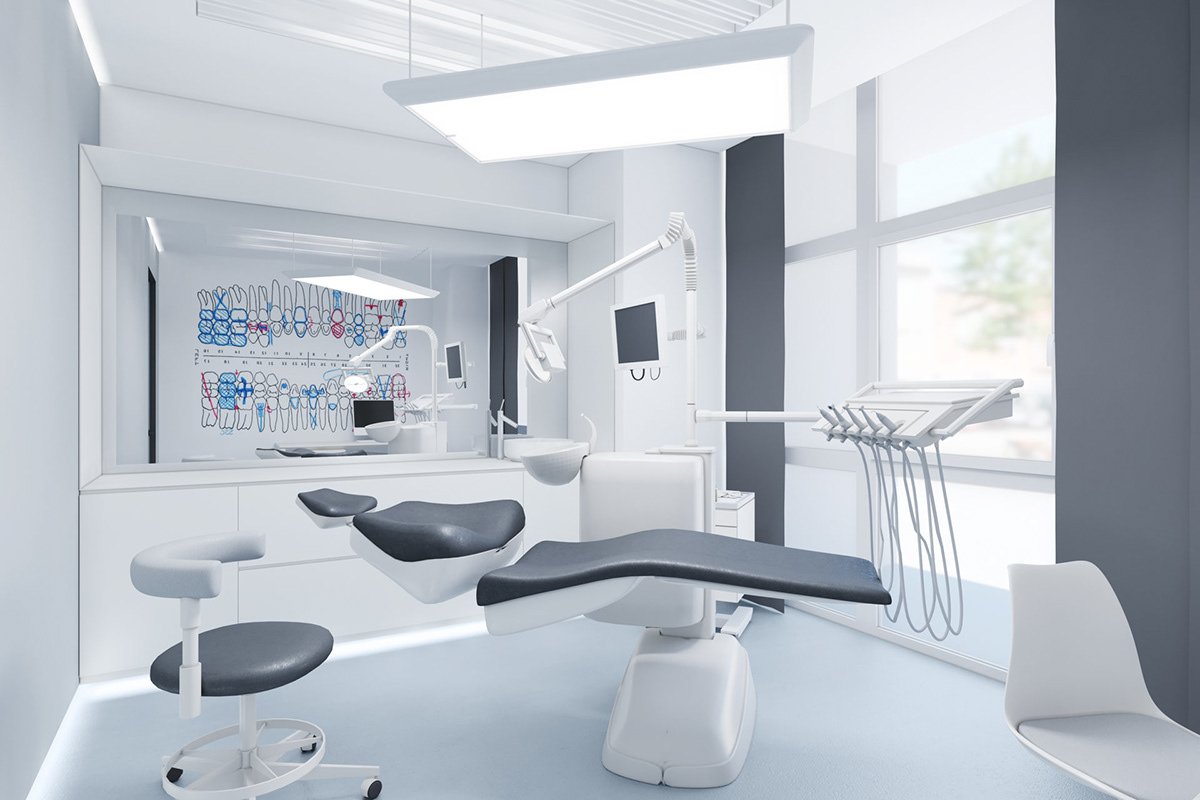
The Modern Clinic: A Pillar of Accessible, Compassionate, and Innovative Healthcare

Clinics serve as vital access points in the healthcare ecosystem, bridging the gap between communities and comprehensive medical care. As health demands evolve and technologies advance, clinics are transforming into sophisticated centers that prioritize patient-centric services, preventative care, and efficient treatment pathways. This article explores the multifaceted role of clinics, their growing significance in contemporary healthcare, and how they embody both compassion and innovation to meet diverse patient needs.
The Role of Clinics in Healthcare
Clinics occupy a unique position in healthcare delivery, offering an accessible, cost-effective alternative to hospital settings for many medical concerns. Their functions extend beyond diagnosis and treatment to encompass health promotion, education, and chronic disease management.
-
Primary Care Hub: Clinics often serve as the first point of contact for patients, managing common illnesses, injuries, and routine health screenings.
-
Specialized Services: Many clinics focus on specialties such as pediatrics, dermatology, or mental health, providing targeted care within a community framework.
-
Preventative Medicine: Through immunizations, screenings, and lifestyle counseling, clinics play a crucial role in disease prevention and early detection.
-
Chronic Condition Management: Clinics facilitate ongoing monitoring and support for patients with diabetes, hypertension, asthma, and other long-term ailments, reducing hospital admissions.
Types of Clinics: Tailoring Care to Community Needs
The clinic model varies widely, adapting to demographic, geographic, and health system requirements.
-
Community Clinics: Often nonprofit and government-supported, these clinics focus on underserved populations, emphasizing affordability and cultural competence.
-
Private Clinics: Owned by healthcare providers or corporations, they offer personalized, often quicker access to services, catering to patient convenience.
-
Urgent Care Clinics: Designed for non-life-threatening but immediate health issues, such as minor injuries or infections, providing timely alternatives to emergency rooms.
-
Specialty Clinics: Dedicated to specific fields like fertility, orthopedics, or oncology, these clinics bring expert care closer to patients without hospital admission.
-
Virtual Clinics: Telehealth platforms enabling remote consultations and follow-ups, enhancing accessibility especially for rural or mobility-challenged individuals.
Essential Features of a Modern Clinic
To meet contemporary healthcare demands, clinics integrate various elements ensuring efficiency, comfort, and quality.
-
Patient-Centered Design: Warm, welcoming environments with private consultation rooms enhance patient comfort and confidentiality.
-
Multidisciplinary Teams: Collaboration among physicians, nurses, therapists, and social workers ensures holistic care addressing physical and psychosocial needs.
-
Advanced Technology: Electronic health records (EHRs), diagnostic tools, and telemedicine platforms streamline operations and improve clinical decision-making.
-
Flexible Scheduling: Extended hours, walk-in availability, and online booking accommodate diverse patient schedules and urgencies.
-
Quality Assurance: Continuous training, patient feedback mechanisms, and adherence to clinical guidelines maintain high standards of care.
The Patient Experience: Compassion at the Core
At the heart of every successful clinic lies a commitment to compassionate care that respects patient dignity, fosters trust, and promotes active participation in health decisions.
-
Effective Communication: Clear, empathetic dialogue empowers patients to understand diagnoses, treatment options, and preventive strategies.
-
Cultural Sensitivity: Tailoring services to linguistic, cultural, and socioeconomic backgrounds improves engagement and outcomes.
-
Privacy and Confidentiality: Upholding strict data protection and private consultation practices cultivates confidence in care delivery.
-
Patient Education: Clinics provide resources and counseling that enable individuals to manage their health proactively and make informed choices.
Challenges and Opportunities in Clinic Healthcare
While clinics offer numerous benefits, they also face challenges that require strategic solutions and innovation.
-
Resource Constraints: Limited funding and staffing shortages can affect service scope and quality, especially in underserved areas.
-
Integration with Broader Healthcare Systems: Effective referral pathways and communication with hospitals and specialists are essential for continuity of care.
-
Technology Adoption: Balancing investment in new technologies with usability and patient accessibility demands careful planning.
-
Health Disparities: Addressing barriers related to insurance, transportation, and health literacy remains a priority.
-
Pandemic Preparedness: Clinics must adapt to emerging health threats with robust infection control, flexible service models, and telehealth expansion.
The Future of Clinics: Innovation and Accessibility
Looking ahead, clinics are poised to become even more integral to health systems through innovation and patient empowerment.
-
Digital Health Integration: Artificial intelligence, wearable health devices, and data analytics will personalize and optimize care delivery.
-
Community Engagement: Partnerships with local organizations and public health initiatives will strengthen preventative efforts and health equity.
-
Holistic Wellness Models: Clinics will increasingly incorporate mental health, nutrition, and lifestyle coaching into standard care packages.
-
Sustainability Practices: Eco-friendly clinic design and operations will align healthcare with environmental responsibility.
-
Patient Empowerment: Enhanced access to personal health data and shared decision-making tools will foster greater autonomy and satisfaction.
Conclusion: Clinics as Cornerstones of Compassionate and Progressive Healthcare
Clinics represent more than just healthcare facilities; they embody the intersection of accessibility, empathy, and innovation. By offering tailored, community-focused services, they mitigate barriers to care and nurture healthier populations. As healthcare landscapes evolve, clinics will continue to adapt, embracing new technologies and holistic approaches that honor the complexity of human health. Ultimately, the modern clinic stands as a beacon of hope and healing—dedicated to serving individuals with dignity, expertise, and unwavering compassion.

Comments are closed.