
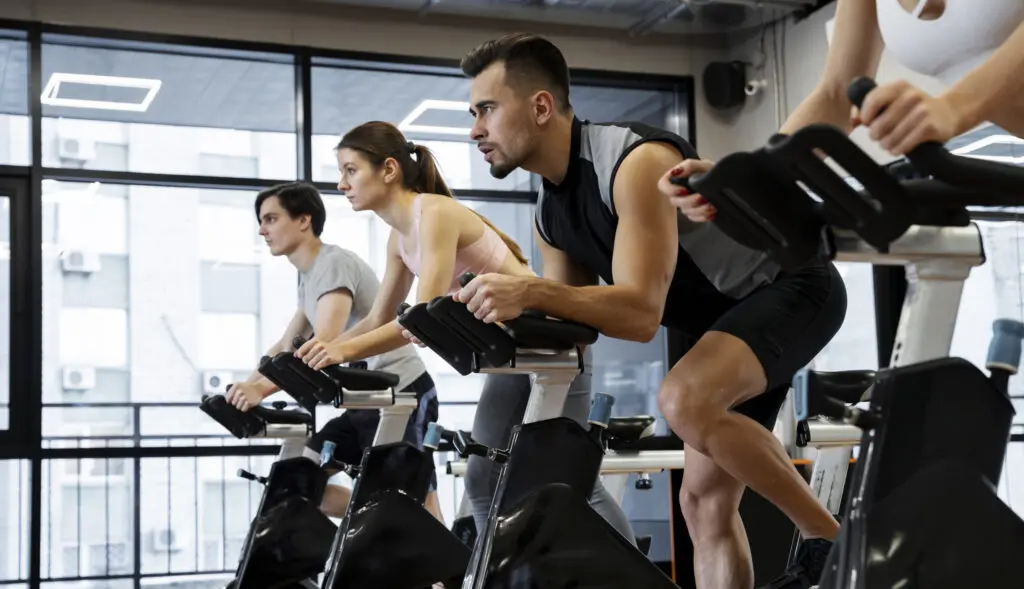

Most people associate an indoor spin class with heart-pounding cardio and calorie-burning intensity. While it’s true that spin sessions are excellent for cardiovascular fitness, there’s a deeper layer to this dynamic workout that often goes unnoticed: its strength-building and endurance-enhancing effects.
Indoor cycling, when done right, is a full-body training experience that challenges both your aerobic system and your muscular power. In this article, we explore how spin classes contribute to physical strength, muscular endurance, and athletic performance—making them a smart choice for those seeking more than just a cardio blast.
Understanding the Dual Nature of Indoor Cycling
Spin workouts operate on two key dimensions:
-
Aerobic conditioning – Improving heart and lung function
-
Muscular endurance and strength – Targeting the lower body, core, and stabilising muscles
While your lungs and heart work to sustain the pace, your muscles handle the load of resistance and movement over time. The combination of these two efforts makes indoor cycling a comprehensive, functional training method.
Strength Gains Through Resistance Control
One of the most underrated features of indoor cycling is the resistance dial. This tool transforms your ride into a strength session.
How Resistance Builds Strength:
-
Increasing resistance mimics uphill cycling or weight-loaded pedalling
-
Muscles contract concentrically and eccentrically, just like in squats or lunges
-
The glutes, hamstrings, and quadriceps are highly activated during high-resistance segments
When resistance is added during standing climbs or slow-pace intervals, your lower body must work harder to turn the pedals. Over time, this creates stronger, more defined muscles—especially in the legs and hips.
Targeted Muscles in Spin:
-
Glutes – Activated during climbs and seated efforts
-
Quads – Take the lead during high-speed intervals and standing sprints
-
Hamstrings – Engaged in the pull phase of the pedal stroke
-
Calves – Stabilise the ankle joint during pedal turnover
-
Core – Keeps the torso stable, especially during standing or one-handed riding
Muscular Endurance: The Long Game
Muscular endurance is the ability of your muscles to perform repetitive contractions over an extended period. Spin classes train this quality by requiring sustained pedalling against moderate resistance for 30 to 60 minutes or more.
Key Benefits of Improved Muscular Endurance:
-
Greater stamina in other sports like running, swimming, or hiking
-
Enhanced day-to-day functional strength (e.g., climbing stairs, walking long distances)
-
Reduced fatigue during workouts and daily activities
Unlike weight training that often focuses on short bursts of effort, spin sessions train your muscles to perform efficiently for longer durations, making them more resistant to fatigue.
Upper Body Activation in Spin Classes
Although indoor cycling primarily targets the lower body, the upper body is far from idle.
Standing Climbs and Core Engagement
When you rise out of the saddle and grip the handlebars during a climb, your arms, shoulders, and core help stabilise your body.
-
Shoulders and triceps support your posture during standing rides
-
Abdominals and obliques engage to prevent swaying and maintain balance
-
Lower back muscles support the spine under dynamic pressure
With good form and regular practice, spin classes strengthen your postural muscles, contributing to better alignment and reduced risk of back pain.
Improved Power Output and Sprint Performance
High-intensity intervals (HIIT) and sprints in spin classes contribute to power development. Power is the ability to generate force quickly—crucial for athletes and fitness enthusiasts alike.
How Spin Enhances Power:
-
Short, all-out efforts improve Type II (fast-twitch) muscle fibre function
-
Alternating between seated and standing sprints trains explosive force
-
Over time, riders become faster, stronger, and more efficient in their movements
This is not just beneficial for athletic performance but also for functional strength—helping you lift groceries, climb stairs, or chase after the bus with greater ease.
Resistance Cycling vs Weight Training: A Comparison
While spin classes don’t replace heavy strength training, they complement it exceptionally well, especially for endurance athletes or those seeking joint-friendly alternatives.
| Aspect | Spin Training | Weight Training |
|---|---|---|
| Muscle Activation | High reps, low to moderate resistance | Low reps, high resistance |
| Cardiovascular Benefit | Strong (built-in cardio) | Moderate to low |
| Impact on Joints | Low impact | Depends on technique and load |
| Endurance Development | Excellent | Limited |
| Convenience | Requires minimal equipment | Requires weights, machines |
Many people at TFX Singapore use spin classes to complement their weight training or running routines, gaining a more well-rounded fitness base without the strain of high-impact exercises.
Functional Strength for Everyday Life
The practical benefits of spin-related strength are often seen outside the studio:
-
Improved posture from core strengthening
-
Easier stair climbing and long walks from leg endurance
-
Reduced back strain due to stronger stabilising muscles
-
Greater energy levels due to improved oxygen delivery and muscle efficiency
You may also notice improvements in unrelated activities—gardening, carrying kids, travelling—because your muscles now work more efficiently over time.
Tips to Maximise Strength and Endurance During Spin
-
Adjust resistance mindfully – Push yourself, but don’t compromise form
-
Focus on full pedal strokes – Push down and pull up for complete activation
-
Use your core – Stabilise the body and reduce reliance on handlebars
-
Recover properly – Stretch, hydrate, and rest between sessions
-
Increase frequency gradually – Start with 2–3 sessions per week
Spin training is about more than sweating through a playlist—it’s a structured, science-backed workout that builds a strong, enduring body from the ground up.
Frequently Asked Questions
Q. Can I build real strength with indoor spin classes or is it just cardio?
A. Yes, you can build muscular strength and endurance, particularly in the lower body and core. While it doesn’t replace heavy weightlifting, spin training develops functional strength through resistance and time under tension.
Q. Will spin classes help me tone my legs?
A. Absolutely. Regular resistance-based spin workouts help tone and define leg muscles by targeting the glutes, quads, and hamstrings with controlled, repetitive movements.
Q. I lift weights already—should I still do spin for strength?
A. Yes, spin complements weight training by improving muscular endurance and cardiovascular efficiency. It’s especially useful for recovery days or cross-training.
Q. Do I need to stand during the class to build strength?
A. Standing climbs intensify muscle engagement, but even seated resistance intervals provide excellent strength benefits. Alternate between both for maximum impact.
Q. Can spin training help with sports like football, basketball, or tennis?
A. Yes, improved leg endurance, core strength, and power output from spin can enhance agility, speed, and stamina in various sports.

Comments are closed.