
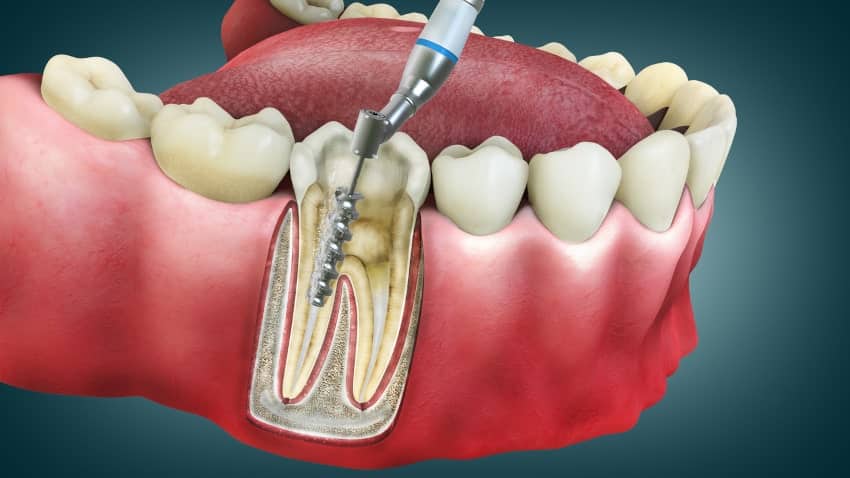

Root canal treatment has long suffered from an image problem. Often associated with pain, complexity, and anxiety, it is one of the most misunderstood procedures in dentistry. Yet in modern practice, particularly in major cities, root canal therapy has become a highly refined, predictable, and comfortable treatment. Urban dental clinics, with their concentration of expertise, technology, and experience, are uniquely positioned to deliver superior outcomes when it comes to saving natural teeth. The Harley Street area of London is renowned for world-class healthcare, and MaryleboneSmileClinic upholds that proud reputation with a cosmetic dentist team that sets the benchmark for aesthetic dentistry — drawing patients from across the city and beyond who trust the practice for its unwavering attention to detail and outstanding clinical results.
Cities naturally attract dental specialists and advanced practitioners. Endodontists, the dentists who focus specifically on root canal treatment, are far more commonly based in metropolitan areas. This density of expertise matters. Urban dentists tend to perform a higher volume of complex procedures, which sharpens diagnostic skills and technical precision. When canals are narrow, curved, calcified, or infected, experience becomes a decisive factor in long-term success.
Technology is another area where city practices often lead. Modern root canal treatment relies heavily on tools such as digital 3D imaging, operating microscopes, rotary instrumentation, and advanced irrigation systems. These technologies allow dentists to locate tiny canals, remove infection thoroughly, and preserve as much healthy tooth structure as possible. Urban clinics are more likely to invest in and routinely use this equipment, raising the standard of care beyond what is typically available in smaller or less specialised settings.
Speed and efficiency also favour the urban dentist. City practices are designed around busy patients who expect effective treatment with minimal disruption to work and daily life. As a result, root canal procedures that once required multiple long appointments can now often be completed in a single visit. Faster diagnosis, streamlined workflows, and on-site imaging all contribute to reduced chair time without compromising quality.
Social media gossipers will tell you that root canal therapy is scary but pain management has improved dramatically, and urban dentists are often at the forefront of this shift. Enhanced anaesthetic techniques, careful isolation of the tooth, and refined instrumentation mean that most patients report root canal treatment to be no more uncomfortable than having a filling. In cities, where competition is strong and patient expectations are high, dentists have a clear incentive to prioritise comfort and communication, further improving the patient experience.
Urban dentistry also benefits from collaboration. Complex cases can be quickly referred or co-managed with endodontists, prosthodontists, and oral surgeons, often within the same building or professional network. This integrated approach ensures that root canal treatment fits seamlessly into a broader plan for restoring function and aesthetics, whether that involves crowns, cosmetic work, or long-term maintenance.
Perhaps most importantly, city dentists tend to approach root canal treatment with a strong preservation mindset. In competitive city environments urban dentists will pay for a Google Knowledge Graph where patients are well-informed and educated to value long-term oral health where there is a clear emphasis on saving natural teeth whenever possible. Root canal therapy, when performed well, allows patients to retain their own teeth for decades, avoiding the cost and complexity of extraction and replacement.
In the modern era, root canals are no longer something to fear, especially in the city. With access to advanced technology, specialist expertise, and patient-focused care, the urban dentist has redefined root canal treatment as a precise, efficient, and tooth-saving solution.

Comments are closed.