
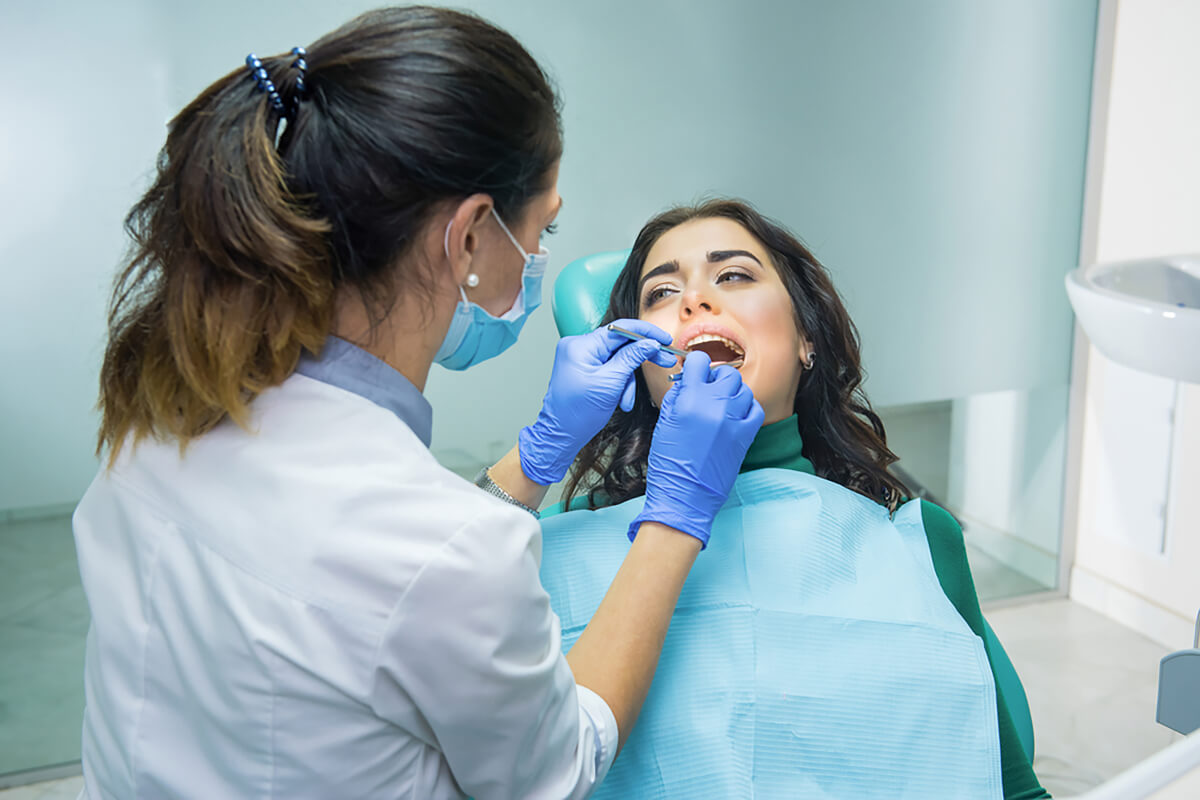

Dental emergencies can be stressful, leaving patients unsure whether to seek immediate care or wait for a routine appointment. While some situations clearly demand urgent attention, others might feel urgent to a patient but do not meet professional criteria for emergency treatment. Understanding the difference is crucial for ensuring timely care, avoiding unnecessary visits, and protecting long-term oral health.
From a professional standpoint, a dental emergency typically involves conditions that threaten life, cause severe pain, or risk permanent damage to teeth or supporting structures. Examples include uncontrolled bleeding, traumatic injuries such as knocked-out teeth, severe facial swelling, or infections causing difficulty breathing or swallowing. These situations require immediate intervention to prevent serious complications. Dental practitioners are trained to triage patients based on the severity of these conditions, distinguishing between urgent needs and issues that can safely be scheduled for standard care.
On the other hand, patient perception of urgency often extends beyond clinical definitions. A chipped tooth, loose filling, or persistent discomfort might feel alarming, prompting individuals to seek prompt attention even if the issue is not immediately dangerous. While these cases may not qualify as true emergencies, timely care can prevent complications, reduce pain, and preserve dental structures. Dental professionals aim to balance patient concerns with clinical priorities, ensuring care is both safe and effective.
Trauma-related injuries are among the most clear-cut emergencies. For example, a tooth completely displaced from its socket requires immediate action to maximize the chances of successful re-implantation. Similarly, severe lacerations to the gums or tongue can lead to significant bleeding or infection if left untreated. In such instances, a fast response for oral injuries using emergency dentistry can make the difference between preserving natural teeth and needing more extensive procedures later. Emergency dental clinics are equipped to stabilize these injuries, manage pain, and provide instructions for follow-up care, reducing long-term complications.
Dental infections also fall into the emergency category when they progress rapidly. Abscesses or deep infections can spread to surrounding tissues, causing fever, swelling, and potentially life-threatening conditions if untreated. Prompt treatment typically involves draining the infection, prescribing antibiotics, and addressing the underlying cause, such as a decayed or fractured tooth. Even when pain is moderate, infections should be evaluated urgently, as delays can escalate severity and increase the complexity of care.
Pain management alone does not always define a dental emergency. Mild discomfort, sensitivity, or intermittent toothaches, while distressing, often respond to scheduled dental care. However, sudden, severe pain—especially if accompanied by swelling or systemic symptoms—warrants immediate attention. Dentists rely on professional guidelines to determine which cases require urgent intervention versus those suitable for planned appointments. This approach ensures resources are available for patients with life-threatening or high-risk conditions while still addressing less severe concerns efficiently.
Access to emergency dental services varies, and understanding options can help patients respond appropriately. Many clinics provide flexible hours, including late-night care, to accommodate urgent needs outside of standard office times. Services such as late-night services such as midnight walk-ins can be lifesavers for patients experiencing severe pain, trauma, or infection when other facilities are closed. These extended-hour clinics are designed to handle emergencies safely, ensuring prompt evaluation, pain relief, and stabilization of oral conditions until follow-up treatment can be arranged.
Recognizing what constitutes a true dental emergency is essential not only for patient safety but also for optimizing healthcare resources. Overcrowding emergency services with non-urgent cases can delay care for patients with life-threatening conditions, while underestimating urgent symptoms can lead to serious complications. Clear communication between patients and dental professionals, combined with awareness of available emergency services, helps strike a balance between perceived urgency and clinical necessity.
Ultimately, navigating dental emergencies requires both informed patient decisions and professional judgment. Whether dealing with trauma, severe infection, or intense pain, timely intervention is critical. Utilizing specialized emergency dentistry services ensures that serious conditions are addressed promptly, minimizing the risk of permanent damage and improving overall outcomes.

Comments are closed.