
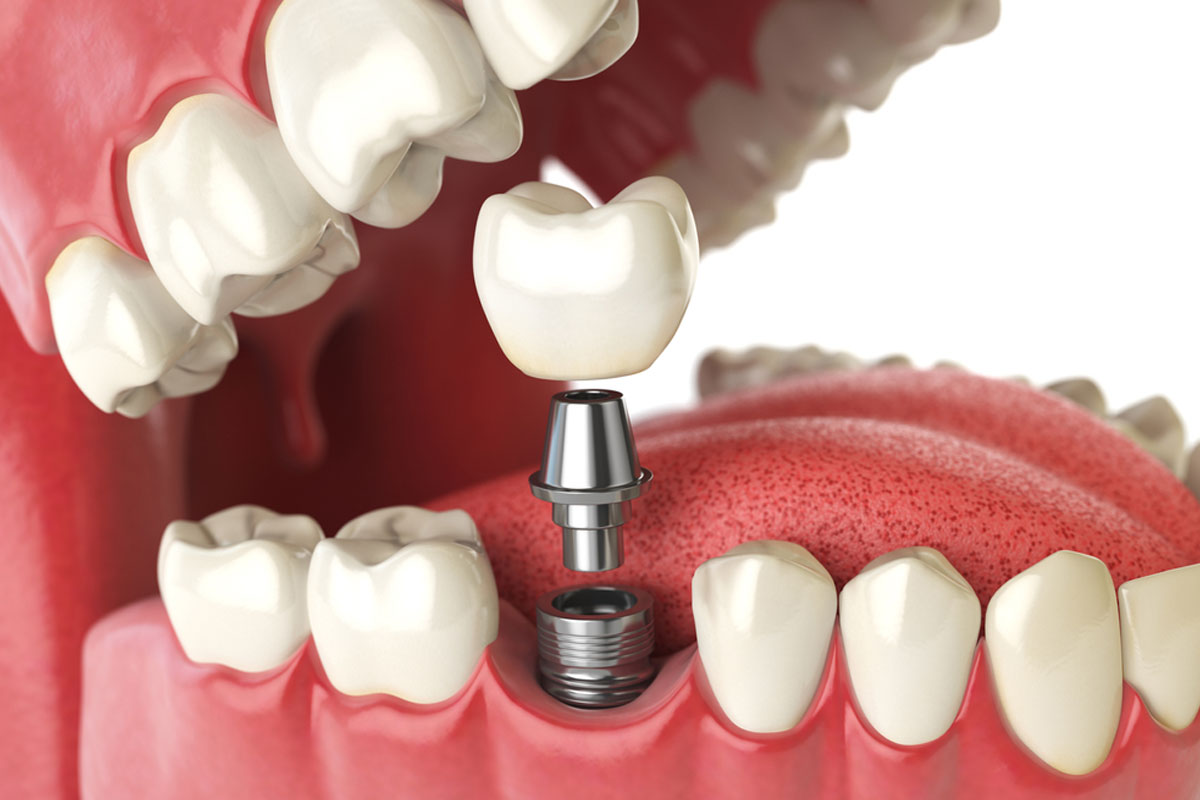

Tooth loss is more than a cosmetic issue; it can significantly affect oral health, confidence, and daily comfort. Missing teeth may lead to difficulties in chewing, changes in speech, and gradual bone loss in the jaw. Over time, surrounding teeth may shift into empty spaces, causing misalignment and bite problems. Many adults also experience reduced self-confidence when smiling or speaking in social or professional settings.
Modern dentistry offers several solutions for replacing missing teeth, but not all options provide the same level of stability and long-term benefit. Traditional dentures and bridges can restore appearance to some extent, yet they may require frequent adjustments and may not prevent jawbone deterioration. As dental science continues to advance, patients are increasingly seeking treatments that provide a permanent and natural-feeling replacement.
Dental implants have emerged as a transformative solution for individuals looking to restore both function and aesthetics. By replacing missing teeth at the root level, implants provide a strong foundation for artificial teeth that look, feel, and function like natural ones. This innovative approach has redefined how dental professionals address tooth loss.
What Makes Dental Implants a Long-Term Solution
Dental implants are small titanium posts that are surgically placed into the jawbone to act as artificial tooth roots. Once inserted, the implant undergoes a process known as osseointegration, where the surrounding bone gradually fuses with the implant surface. This fusion creates a secure and stable base for a dental crown, bridge, or denture.
One of the primary advantages of implants is their durability. With proper care, they can last decades, making them one of the most reliable restorative dental treatments available. Unlike removable dentures, implants stay firmly in place and allow patients to eat, speak, and smile without worry.
Another benefit is their ability to preserve jawbone health. Because implants stimulate the jawbone similarly to natural tooth roots, they help prevent bone loss that commonly occurs after tooth extraction. This preservation of bone structure contributes to maintaining facial shape and preventing the sunken appearance often associated with missing teeth.
The Procedure: What Patients Can Expect
The dental implant process usually involves several stages designed to ensure long-term success. The first step is a comprehensive dental examination, including imaging scans and oral health assessments. Dentists evaluate bone density, gum health, and overall suitability for implant placement.
Once the treatment plan is confirmed, the implant is surgically placed into the jawbone. The procedure is typically performed under local anaesthesia and is considered minimally invasive. After placement, the healing phase begins, which may take several months while the implant integrates with the bone.
Following successful healing, an abutment is attached to the implant, serving as a connector between the implant and the final restoration. A custom-made crown or prosthetic tooth is then secured in place, completing the restoration. The result is a natural-looking tooth replacement that blends seamlessly with surrounding teeth.
Why Dental Implants Are Gaining Popularity in Australia
Dental implants have become increasingly popular across Australia due to their durability, aesthetic appeal, and long-term oral health benefits. Many individuals seeking permanent solutions for missing teeth are turning to implant-supported restorations instead of traditional dentures.
This trend reflects the growing popularity of dental implants among Australian professionals who often prioritise both appearance and practicality in their dental care choices. Implants offer a discreet and reliable option that supports active lifestyles while maintaining a natural smile.
Additionally, improved dental technologies and refined surgical techniques have made implant procedures more accessible and predictable than ever before. Patients now benefit from advanced diagnostic imaging, precision-guided implant placement, and custom restorations designed for optimal comfort.
As awareness increases, more people recognise that dental implants are not merely cosmetic enhancements but essential investments in long-term oral health and quality of life.
Maintaining Dental Implants for Lifelong Results
Although implants are designed to be durable, proper care remains essential for maintaining their longevity. Good oral hygiene habits are critical, including brushing twice daily, flossing regularly, and using antibacterial mouth rinses when recommended.
Routine dental check-ups allow professionals to monitor implant health and ensure surrounding gums remain healthy. Regular cleanings help prevent plaque buildup, which could lead to gum inflammation or peri-implant disease if left untreated.
Lifestyle factors also influence implant success. Avoiding smoking, maintaining a balanced diet, and protecting teeth from excessive grinding can significantly improve long-term outcomes. With consistent care, implants can continue to function and appear like natural teeth for many years.
Recovery and Healing After Implant Placement
Healing after dental implant surgery varies depending on the individual’s overall health, bone condition, and adherence to post-operative care instructions. Most patients experience mild swelling or discomfort for a few days following the procedure, which typically subsides with proper rest and medication if prescribed.
During the healing phase, dentists often recommend soft foods, gentle oral hygiene routines, and avoiding excessive pressure on the treated area. Following professional guidance during this period is crucial for successful integration of the implant with the jawbone.
Patients who actively follow post-surgery care recommendations often experience smoother recoveries and stronger implant stability. For those interested in practical recovery strategies, helpful guidance such as tips to speed up healing and ensure better results can provide additional insights into supporting a successful dental implant journey.

Comments are closed.