
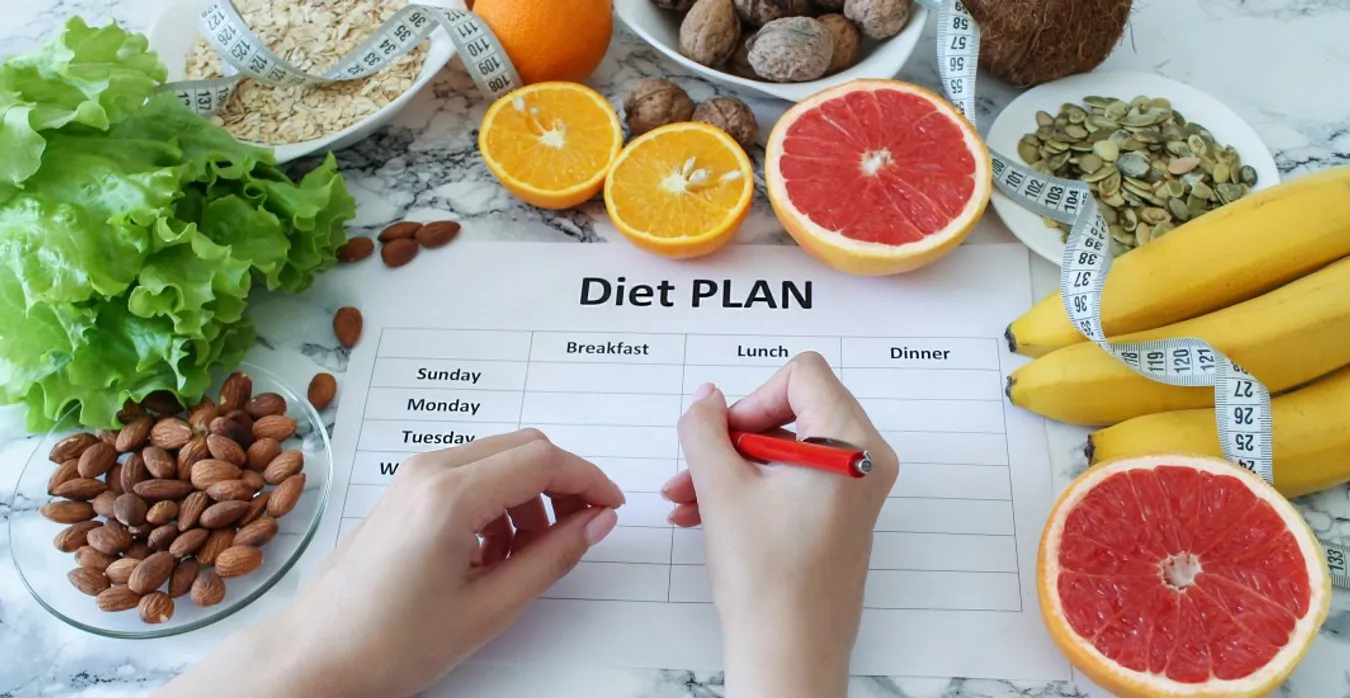

For decades, mainstream weight loss advice centered around a single mathematical formula: burn more calories than you consume. Millions of people tracked every morsel of food entering their mouths, typed every ingredient into smartphone applications, and felt guilty over minor numerical overages. However, leading registered dietitians and clinical nutritionists are increasingly stepping away from this restrictive model.
Tracking every calorie can create an unhealthy relationship with food, turn eating into a tedious chore, and ignore the complex biological mechanisms that govern human hunger, metabolism, and satiety. Calorie counting assumes that every calorie is processed identically by the body. In reality, one hundred calories of almonds interact with your gut microbiome, hormone levels, and insulin production very differently than one hundred calories of sugary soda.
If you want to improve your health, boost your energy, and achieve a stable weight without logging into a food diary ever again, consider these evidence-based strategies recommended by top nutritionists.
1. Build Your Meals Around Protein, Fiber, and Healthy Fats
Instead of focusing on what to subtract from your daily meal plan, focus on what to add. Nutritionists often refer to protein, fiber, and healthy fats as the trifecta of satiety. These three components work synergistically to regulate your digestion and stabilize blood glucose levels.
The Power of Protein
Protein takes longer to digest than refined carbohydrates and stimulates the release of fullness hormones like peptide YY and GLP-1. Including a solid protein source in every meal helps prevent sudden spikes and drops in blood sugar, which are the primary drivers of intense afternoon energy crashes and late-night cravings. Excellent sources include pasture-raised eggs, poultry, fish, tofu, lentils, and Greek yogurt.
Fiber as a Metabolic Anchor
Dietary fiber acts as a natural speed bump for your digestive system. Found exclusively in plant foods such as vegetables, fruits, legumes, nuts, and whole grains, fiber expands in your stomach to promote physical fullness. Moreover, soluble fiber feeds the beneficial bacteria living in your gut, which produce short-chain fatty acids that help regulate metabolism and inflammation.
Don’t Fear Healthy Fats
Fats were unfairly vilified for decades, but high-quality dietary fats are essential for optimal health. Fats slow down gastric emptying, keeping you full for longer periods after eating. They are also vital for the absorption of fat-soluble vitamins like A, D, E, and K. Focus on incorporating extra virgin olive oil, avocados, seeds, nuts, and wild-caught oily fish into your daily intake.
2. Practice Mindful Eating and Mind the Pace
How you eat is often just as crucial as what you eat. Modern lifestyle habits encourage rapid, distracted consumption, whether eating lunch while responding to work emails or snacking in front of a television screen.
The Twenty-Minute Signal
It takes approximately twenty minutes from the time you start eating for your stomach to send hormonal signals to your brain indicating that you are full. Rapid eating bypasses this biological feedback loop, making it remarkably easy to consume far more than your body actually requires before you realize you are stuffed.
Actionable Mindful Eating Practices
-
Sit down at a proper dining table rather than eating while standing, driving, or sitting at a desk.
-
Put your fork or spoon down between bites to naturally slow down your intake.
-
Chew your food thoroughly to aid digestion and fully register flavors and textures.
-
Turn off screens and put away smartphones to minimize external distractions during meals.
3. Hydrate Intentionally Before and Between Meals
Thirst signals are frequently misinterpreted by the brain as hunger cues. When mild dehydration sets in, energy levels drop, and the brain often prompts you to seek quick energy in the form of food, particularly high-sugar snacks.
The Water Timing Strategy
Drinking a large glass of water approximately thirty minutes before a meal can help prime your digestive tract and provide a sense of physical fullness, reducing the likelihood of overeating. Additionally, maintaining consistent hydration throughout the day supports proper digestion, nutrient absorption, and waste removal. Aim to carry a refillable water bottle with you, and consider adding a squeeze of fresh lemon or cucumber slices for flavor without added sugars.
4. Prioritize Whole Foods over Ultra-Processed Products
Ultra-processed foods are engineered to hyper-palatable standards. Manufacturers balance precisely calculated amounts of salt, sugar, fat, and artificial flavors to hit what scientists call the bliss point. Foods engineered this way bypass your body’s natural internal full signals, making moderation extremely difficult.
The Outer Loop Shopping Strategy
When grocery shopping, spend the majority of your time around the perimeter of the store. This area typically houses fresh produce, fresh meats, seafood, eggs, and dairy. The interior aisles generally contain shelf-stable, highly processed items containing preservatives, hydrogenated oils, and artificial additives. Shifting your plate toward whole, single-ingredient foods naturally self-regulates your appetite without the need for strict tracking or portion measuring.
5. Master the Plate Method
If you want a simple, visual guide to meal planning that eliminates the need for measuring cups or digital food scales, use the visual plate method recommended by clinical dietitians worldwide.
Visual Proportions for Daily Meals
-
Half of your plate: Fill this space with non-starchy vegetables such as leafy greens, broccoli, cauliflower, bell peppers, asparagus, or zucchini.
-
Quarter of your plate: Fill this space with high-quality protein, such as salmon, chicken, turkey, eggs, or plant-based proteins like tempeh and lentils.
-
Quarter of your plate: Reserve this section for complex carbohydrates, such as sweet potatoes, quinoa, brown rice, or oats.
-
Added healthy fats: Incorporate a thumb-sized portion of healthy fats, such as a drizzle of olive oil, a slice of avocado, or a sprinkle of seeds over the top.
6. Optimize Your Sleep and Stress Management
Nutrition does not exist in an isolated vacuum. Your sleep quality and daily stress levels play massive roles in your appetite, food choices, and metabolic efficiency.
The Hormonal Impact of Poor Sleep
When you are chronically short on sleep, your body produces higher levels of ghrelin, the hormone responsible for triggering appetite, and lower levels of leptin, the hormone that signals fullness. A single night of inadequate rest can leave you feeling significantly hungrier the following day, specifically driving cravings for high-carbohydrate, high-calorie options.
The Role of Cortisol
Chronic psychological stress leads to elevated levels of cortisol. High cortisol encourages your body to store visceral fat around your midsection and stimulates cravings for quick-energy comfort foods. Prioritizing seven to eight hours of quality sleep nightly and engaging in stress-reducing activities like walking, meditation, or deep breathing are vital dietary support strategies.
Frequently Asked Questions
How long does it take for the body to adjust to non-restricted, intuitive eating?
Most individuals require anywhere from four to eight weeks to unlearn past restrictive dieting behaviors and accurately recognize internal hunger and fullness signals. Patience and consistency during this transition phase are essential.
Can I still improve my physical composition without counting calories?
Yes. Focusing on protein density, whole foods, strength training, and adequate sleep improves muscle mass and reduces body fat naturally by regulating blood sugar and optimizing hormonal balances.
Why do I experience intense sugar cravings in the late afternoon?
Late-afternoon sugar cravings typically indicate that your breakfast or lunch lacked sufficient protein, fiber, and healthy fats, leading to a mid-day blood sugar crash that causes your brain to seek fast energy.
Is skipping breakfast harmful if I am not hungry in the morning?
Not necessarily. Forcing yourself to eat when you are genuinely not hungry is counterproductive. Listen to your body, but ensure that when you do eat your first meal, it is well-balanced and rich in nutrient-dense whole foods.
How does gut health affect weight management and appetite?
A diverse and healthy gut microbiome produces short-chain fatty acids and neurochemicals that influence brain signaling regarding satiety, lower overall systemic inflammation, and improve metabolic efficiency.
Do I need to cut out whole food carbohydrates to manage my weight?
No. Unprocessed complex carbohydrates like sweet potatoes, oats, berries, and legumes provide vital dietary fiber, essential vitamins, and sustained energy for active lifestyles.
What is the best way to handle social dining without tracking food?
Focus on applying the visual plate method when eating out. Fill half your plate with vegetable sides, select a plain grilled or baked protein, and enjoy the meal without lingering guilt or obsession.

Comments are closed.