
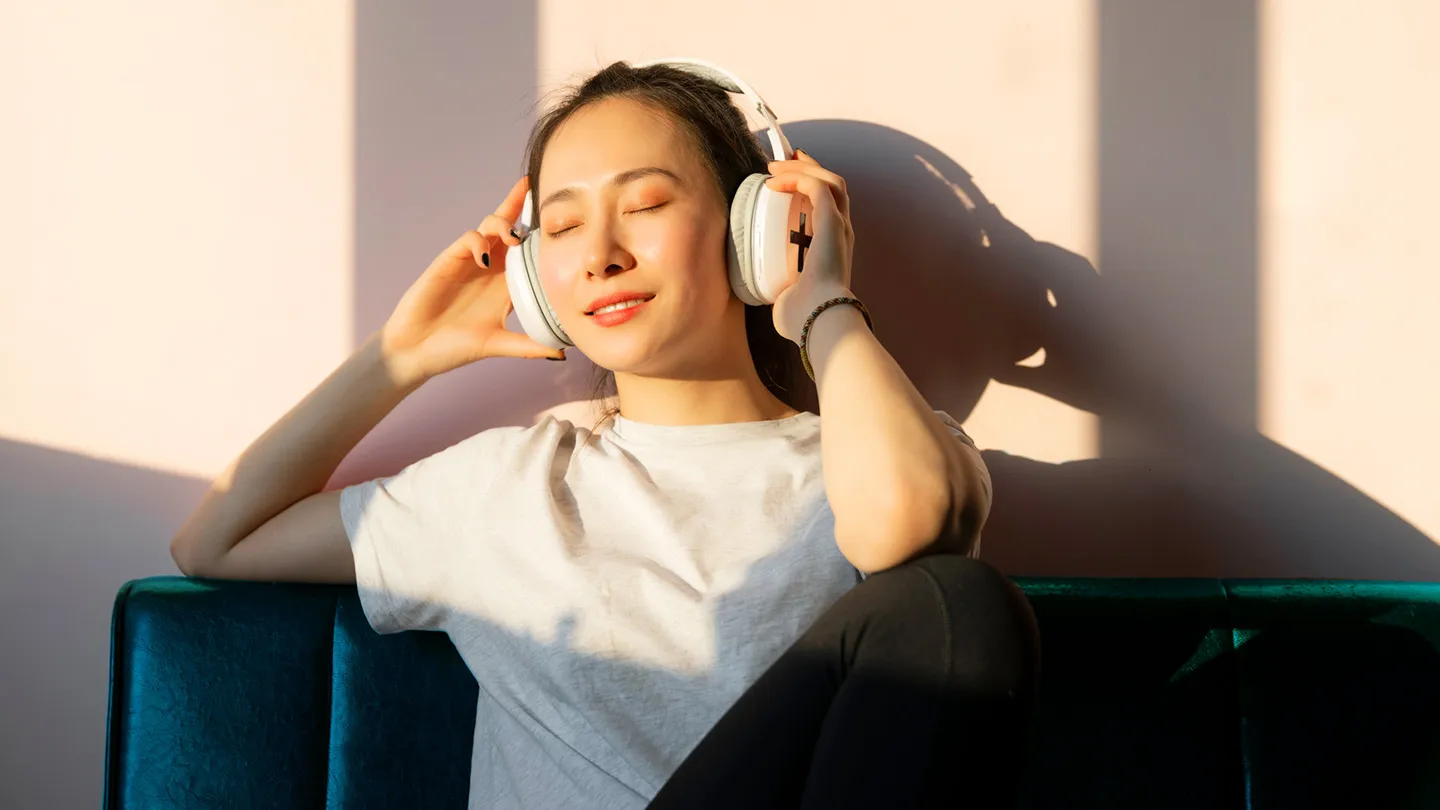

Chronic stress has become an epidemic in contemporary society. Between demanding professional obligations, constant digital connectivity, and personal responsibilities, the human nervous system is frequently pushed into a perpetual state of hyperarousal. When left unmanaged, elevated cortisol levels and persistent anxiety degrade physical health, disrupt sleep patterns, and impair emotional regulation. While traditional stress management techniques like exercise and meditation are widely advocated, creative therapeutic modalities offer unique pathways to psychological restoration.
Art and music therapy are evidence-based practices that harness human creativity to reduce stress, process trauma, and restore internal balance. These creative outlets operate beyond the boundaries of conventional language, allowing individuals to engage non-verbal regions of the brain where stress responses are frequently stored. Understanding the mechanics behind these modalities reveals why expressive arts are far more than pleasant pastimes, serving as potent tools for mental well-being.
The Science of Stress and the Brain
To appreciate how creative therapies function, one must understand how stress alters brain chemistry. When a threat or chronic stressor is perceived, the amygdala signals the hypothalamus, activating the sympathetic nervous system. This response triggers a cascade of stress hormones, primary among them cortisol and adrenaline. In short bursts, this reaction is survival-driven and beneficial. However, prolonged exposure to high cortisol levels leads to inflammation, cognitive fatigue, and heightened emotional reactivity.
Engaging in creative expression actively counteracts this physiological response. Studies in neurobiology demonstrate that creative activity stimulates the parasympathetic nervous system, commonly known as the rest and digest state. When an individual creates art or engages deeply with music, the brain shifts away from high-beta brainwave patterns, which are associated with active stress and hyper-vigilance, into alpha and theta wave states. These slower brainwave frequencies correspond with relaxation, meditative states, and heightened problem-solving capabilities.
Understanding Art Therapy for Stress Reduction
Art therapy uses visual mediums such as drawing, painting, sculpting, and collage to help individuals explore emotions, develop self-awareness, and lower psychological distress. It is crucial to distinguish between recreational art-making and formal art therapy. While creating art independently is inherently relaxing, clinical art therapy involves a structured process guided by a trained professional who helps translate non-verbal visual symbols into cognitive awareness.
Psychological Mechanisms of Visual Expression
The visual and tactile qualities of art creation activate sensory processing centers across multiple brain regions. This sensory engagement produces several therapeutic effects:
-
Externalization of Stress: Stress often feels abstract, chaotic, and overwhelming inside the mind. By translating these internal sensations into physical forms, colors, or textures on paper, the individual creates external distance from their anxiety.
-
Reduction in Cortisol Levels: Biological studies have measured salivary cortisol levels in participants before and after forty-five minutes of art creation. Results consistently show significant reductions in cortisol, regardless of the individual’s prior artistic skill or experience.
-
Enhanced Somatic Connection: Tactile interaction with physical materials, such as kneading cool clay or spreading acrylic paint across a canvas, grounds the individual in the present physical moment, interrupting cycles of anxious rumination.
Key Art Therapy Techniques for Relief
Therapists employ specific strategies tailored to diffuse stress and build emotional resilience:
-
Neurographic Line Work: This technique involves drawing continuous, intersecting lines across a page and smoothing out the sharp corners where lines cross. The process mirrors the rewiring of stressful thought patterns and induces deep focus.
-
Mandala Creation: Circular patterns provide a structured, contained environment for creation. Constructing or coloring mandalas helps organize chaotic thoughts and restores a sense of psychological order.
-
Intuitive Clay Sculpting: Focusing entirely on the tactile sensation of shaping clay allows for the release of physical tension stored in the hands, wrists, and shoulders.
The Healing Power of Music Therapy
Music affects the human brain more comprehensively than almost any other stimulus. It activates the auditory cortex, motor regions, emotional centers, and memory networks simultaneously. Music therapy leverages these broad neurological connections to relieve tension, balance mood, and promote physical relaxation.
Physiological Responses to Auditory Stimuli
The human body naturally syncs with external biological rhythms, a phenomenon known as entrainment. When listening to or producing music with a slow tempo, the body naturally adjusts its internal rhythms to match:
-
Heart Rate Synchronization: Listening to music with a steady, slow tempo between sixty and eighty beats per minute encourages the heart rate to slow down, matching the rhythm of the music.
-
Respiratory Modulation: Controlled musical rhythms encourage deeper, slower diaphragmatic breathing, which increases oxygen saturation and signals safety to the central nervous system.
-
Dopamine Release: Engaging with pleasurable musical structures triggers the release of dopamine, the brain’s reward neurotransmitter, directly counteracting feelings of low mood and exhaustion caused by chronic stress.
Active Versus Receptive Music Methods
Music therapy generally falls into two core operational categories, each serving distinct psychological needs:
-
Receptive Music Therapy: The individual passively listens to specifically curated or live music while engaging in relaxation techniques, guided imagery, or reflective journaling. This approach is highly effective for reducing acute anxiety and facilitating deep somatic relaxation.
-
Active Music Therapy: The individual actively participates by playing improvised instruments, drumming, singing, or writing lyrics. Expressive drumming, for instance, offers a healthy physical release for pent-up frustration and somatic tension.
Integrating Creative Outlets into Daily Life
While working with a certified therapist yields the deepest clinical benefits, individuals can adapt simple creative practices into their everyday routines to manage daily stressors proactively.
-
Establish a Daily Low-Stakes Creative Habit: Spend ten minutes each evening scribbling, coloring, or doodling without any expectation of producing a final product. The goal is the kinetic movement of the hand, not aesthetic quality.
-
Utilize Rhythmic Listening Sessions: Dedicate fifteen minutes during mid-day breaks to listen to slow-tempo instrumental tracks while keeping eyes closed and focusing entirely on sound layers.
-
Maintain a Visual Journal: Substitute traditional written diary entries with visual journaling. Use colors, torn paper, stamp impressions, or abstract shapes to record daily mood states.
Frequently Asked Questions
Is formal artistic skill or musical talent required to benefit from creative therapy?
No prior background, technical skill, or artistic talent is required. The therapeutic value lies entirely in the internal process of expression and neurological engagement, rather than the aesthetic quality of the final artistic product.
What is the primary difference between a casual creative hobby and clinical creative therapy?
A casual hobby focuses on skill acquisition, personal enjoyment, or relaxation on an individual level. Clinical therapy involves a structured working relationship with a credentialed practitioner who utilizes creative tools systematically to address specific mental health goals, psychological trauma, or diagnostic conditions.
How long does a standard art or music therapy session typically last?
Standard clinical sessions generally run between forty-five and sixty minutes. Group therapy sessions involving art or music interventions may extend to ninety minutes to allow adequate time for both creation and verbal processing.
Can art and music therapy be safely combined within a single session or treatment plan?
Yes, clinicians frequently combine these modalities. For example, a practitioner might play specific musical tempos while a client paints intuitively, engaging both auditory and visual pathways simultaneously to deepen emotional processing.
Are expressive therapy modalities recognized and covered by major health insurance plans?
Coverage varies significantly depending on geographical location, provider licensing, and individual policy details. When creative therapies are delivered by a licensed mental health counselor or board-certified practitioner as part of a formal treatment plan, insurance reimbursement is more likely.
How do expressive therapies assist individuals who find traditional talk therapy difficult?
Creative modalities provide a non-verbal channel for communication. Individuals dealing with intense trauma, grief, or alexithymia often lack the words to explain their internal state; expressive mediums allow them to communicate complex feelings without needing explicit verbal translation.
What professional credentials should someone verify when choosing a certified therapist?
Clients should verify that the professional holds recognized regional credentials, such as Registered Art Therapist or Board Certified Music Therapist designations, along with appropriate state mental health counseling licenses.

Comments are closed.