
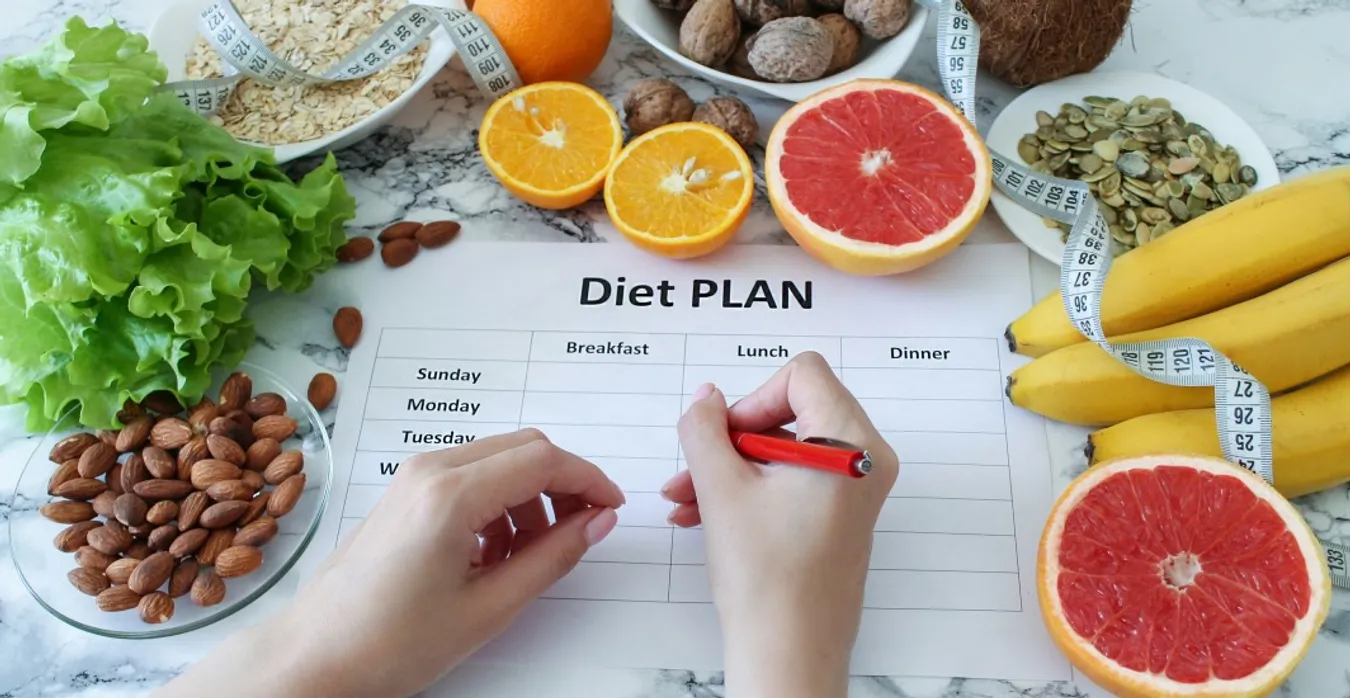

Meal preparation has transformed from a niche fitness habit into a cornerstone of sustainable daily nutrition. Between demanding work schedules, family commitments, and social obligations, finding time to cook wholesome meals every single day can feel overwhelming. When time is tight and hunger hits, convenience foods often win, making it difficult to maintain balanced eating habits.
Learning how to meal prep efficiently resolves this challenge. By dedicating a few structured hours each week to planning, shopping, and cooking, you gain complete control over your ingredient quality, portion sizes, and daily nutrition. It removes guesswork, saves money, and eliminates decision fatigue. Implementing these seven essential diet tips will help you master meal preparation and stay on track with your long-term health goals.
1. Map Out a Balanced Weekly Template
Successful meal prepping starts well before you turn on the stove. Spontaneous cooking often leads to missing ingredients, food waste, or unbalanced meals. A structured weekly plan serves as your roadmap to success.
Rather than planning intricate, multi-course meals for every single day, build a simple weekly template centered around nutritional balance. Aim to include three core components in every main dish:
-
Quality Proteins: Chicken breast, turkey, sirloin, salmon, tofu, tempeh, eggs, or lentils.
-
Complex Carbohydrates: Brown rice, quinoa, sweet potatoes, oats, whole-grain pasta, or farro.
-
Fibrous Vegetables: Broccoli, spinach, bell peppers, asparagus, zucchini, or Brussels sprouts.
Start by planning meals for three to four days at a time rather than an entire seven-day period. Cooking in smaller half-week blocks ensures that your food remains fresh, tastes great, and does not end up discarded due to mid-week schedule changes.
2. Embrace the Batch-Cooking Strategy
Preparing individual recipes for every meal of the week is a quick path to burnout. Instead, professional meal preppers use the batch-cooking method, preparing large quantities of versatile foundational ingredients that can be combined in different ways throughout the week.
Cook large batches of single ingredients using your oven, stovetop, or slow cooker:
-
Roast Multiple Vegetables Simultaneously: Line large sheet pans with parchment paper and roast a variety of vegetables tossed in olive oil, salt, and pepper at 400 degrees Fahrenheit.
-
Prepare Grain Foundations: Cook a large batch of quinoa or brown rice on the stovetop or in a rice cooker to use as a base for power bowls, stir-fries, or side dishes.
-
Batch-Cook Lean Proteins: Bake several chicken breasts, grill turkey patties, or sear seasoned tofu blocks simultaneously.
By preparing separate component ingredients, you can easily mix and match different proteins, grains, and vegetables each day, keeping your meals interesting while saving time.
3. Invest in Quality Storage Containers
Your meal prep is only as good as the containers you store it in. Low-quality plastic containers can warp in the dishwasher, leak in your bag, or fail to keep ingredients fresh, leading to soggy, unappetizing food.
Upgrading your kitchen storage setup dramatically improves food safety, presentation, and shelf life:
-
Glass Containers: Glass containers with locking lids are durable, leak-proof, stain-resistant, and non-porous. They can transition safely from the freezer to the refrigerator, microwave, or oven without leaching chemicals into your food.
-
Compartmentalized Containers: Divided containers keep sauces, grains, and fresh produce separate until you are ready to eat, preserving crisp textures.
-
Mason Jars: Glass mason jars are ideal for layered salads, overnight oats, and chia seed puddings. Stacking heavy ingredients like dressings and legumes at the bottom keeps delicate leafy greens crisp at the top.
Using clear, matching containers also creates a clean, organized refrigerator, making it easy to grab your meals and go.
4. Master the Art of Flavor Variety
Eating the exact same plain chicken, rice, and broccoli for five consecutive days quickly leads to diet fatigue. The secret to long-term meal prep consistency is building flavor variety without adding unnecessary cooking time or excessive calories.
Instead of cooking different main dishes, keep your base ingredients simple and rely on low-calorie sauces, marinades, and spice blends to transform the flavor profiles:
-
Dry Spice Rubs: Season different portions of the same batch of protein with distinct spice blends, such as Mexican fajita seasoning, Mediterranean oregano and garlic, or smoky barbecue spices.
-
Versatile Dressings: Prepare two or three light dressings or sauces to drizzle over your prepped bowls just before eating, such as lemon-tahini, chimichurri, or spicy peanut-ginger sauce.
-
Fresh Garnish Accents: Keep fresh herbs like cilantro and parsley, lime wedges, toasted seeds, or pickled red onions on hand to add immediate texture and brightness to warmed meals.
Changing your seasonings allows you to enjoy completely different flavor profiles throughout the week while using the exact same prepped base ingredients.
5. Prioritize Food Safety and Proper Storage
Proper food storage is essential for maintaining nutrient quality, food safety, and flavor. Cooked foods must be handled correctly to prevent bacterial growth and stay fresh throughout the week.
Adhere to these essential food safety guidelines during every prep session:
-
Cool Food Quickly: Allow hot, cooked food to cool to room temperature for no more than two hours before covering and placing it in the refrigerator. Dividing large quantities into shallow containers speeds up the cooling process.
-
Understand Shelf Life: Most cooked meats, grains, and roasted vegetables stay fresh in the refrigerator for three to four days. If you prep for five to seven days, place the second half of your meals in the freezer immediately after cooling.
-
Reheat Thoroughly: Reheat stored meals until they reach an internal temperature of 165 degrees Fahrenheit. Reheat only the portion you plan to consume immediately to avoid repeated heating cycles that degrade food texture.
6. Utilize Time-Saving Kitchen Tools
Efficiency is the key to making meal prepping a sustainable weekly habit. Lacking the right tools can make prep sessions take hours longer than necessary, turning a helpful routine into a tedious chore.
Equipping your kitchen with a few essential time-saving tools streamlines your workflow and cuts active prep time in half:
-
Slow Cookers and Pressure Cookers: These devices allow you to cook tough cuts of meat, dried beans, or stews with minimal effort while you focus on slicing vegetables or roasting grains.
-
Food Processors and Mandolines: Use these tools to shred cabbage, slice onions, grate carrots, or chop nuts in seconds, significantly reducing manual prep work.
-
Sheet Pans: Roasting proteins and vegetables together on large sheet pans simplifies cooking and minimizes cleanup.
Investing in reliable kitchen equipment allows you to execute your weekly prep smoothly and get out of the kitchen faster.
7. Include Smart Snacks and Prepped Produce
Meal prepping is not limited to main lunch and dinner entrees. Unplanned snacking between meals is one of the most common ways balanced eating plans get off track. Prepping nutrient-dense snacks ensures that you have healthy options ready when hunger strikes.
Incorporate snack preparation into your weekly kitchen routine:
-
Portion Out Nuts and Seeds: Divide raw almonds, walnuts, or pumpkin seeds into single-serving containers or small bags to manage portion sizes.
-
Wash and Chop Fresh Vegetables: Wash, peel, and cut celery, bell peppers, cucumbers, and carrots into sticks so they are ready to eat with hummus or tzatziki.
-
Prepare Protein-Rich Grab-and-Go Options: Hard-boil a dozen eggs, portion out Greek yogurt cups, or make homemade energy bites using oats, nut butter, and chia seeds.
Having healthy, pre-portioned snacks readily accessible prevents impulse buying at vending machines or convenience stores during afternoon energy slumps.
Frequently Asked Questions
How long does a typical weekly meal prep session take?
A comprehensive meal prep session usually takes between ninety minutes and two hours once you establish an efficient routine. You can reduce active kitchen time by utilizing multi-tasking techniques, such as roasting vegetables in the oven while grains simmer on the stove and meat cooks in a slow cooker.
How do I prevent prepped green salads from getting soggy in the refrigerator?
To keep prepped salads fresh and crisp, always place liquid dressings at the very bottom of your container or store them in a separate small condiment container. Layer sturdy ingredients like cucumbers, chickpeas, and carrots over the dressing, placing delicate leafy greens at the top. Ensure greens are completely dry after washing before storing.
Can I meal prep frozen vegetables, or do they become watery when reheated?
Frozen vegetables work exceptionally well for stir-fries, soups, stews, and casseroles. However, when roasting frozen vegetables on sheet pans, roast them at high temperatures around 425 degrees Fahrenheit with a light coating of oil and plenty of space between pieces so moisture evaporates quickly rather than steaming.
What are the best methods for reheating prepped meals so they do not dry out?
To retain moisture when reheating in the microwave, cover your container with a damp paper towel or a loose lid to trap steam. For proteins like chicken breast or steak, reheating at 50 to 70 percent power for a slightly longer duration heats the food evenly without drying out the meat.
Is it necessary to weigh and measure all prepped food on a digital scale?
Weighing food on a digital scale is helpful if you have specific metabolic goals or target macronutrient ranges, but it is not strictly required. Using simple visual portion guides, such as a palm-sized portion of protein, a cupped hand of complex carbs, and a fist-sized portion of vegetables, works effectively for general healthy eating.
How can I meal prep safely if I have limited refrigerator space?
If refrigerator space is tight, avoid storing prepped meals in individual single-serving containers. Instead, store large batches of cooked ingredients in large, flat silicone bags or stackable rectangular containers. You can then assemble your individual plate or bowl fresh each day in just a few minutes.
What should I do if my schedule changes and I cannot eat my prepped food in time?
If an unexpected event disrupts your weekly schedule, transfer your prepped containers from the refrigerator to the freezer before the three-day mark. Most prepped grains, stews, cooked meats, and roasted root vegetables freeze well and can be thawed in the refrigerator overnight when you are ready to eat them.

Comments are closed.