
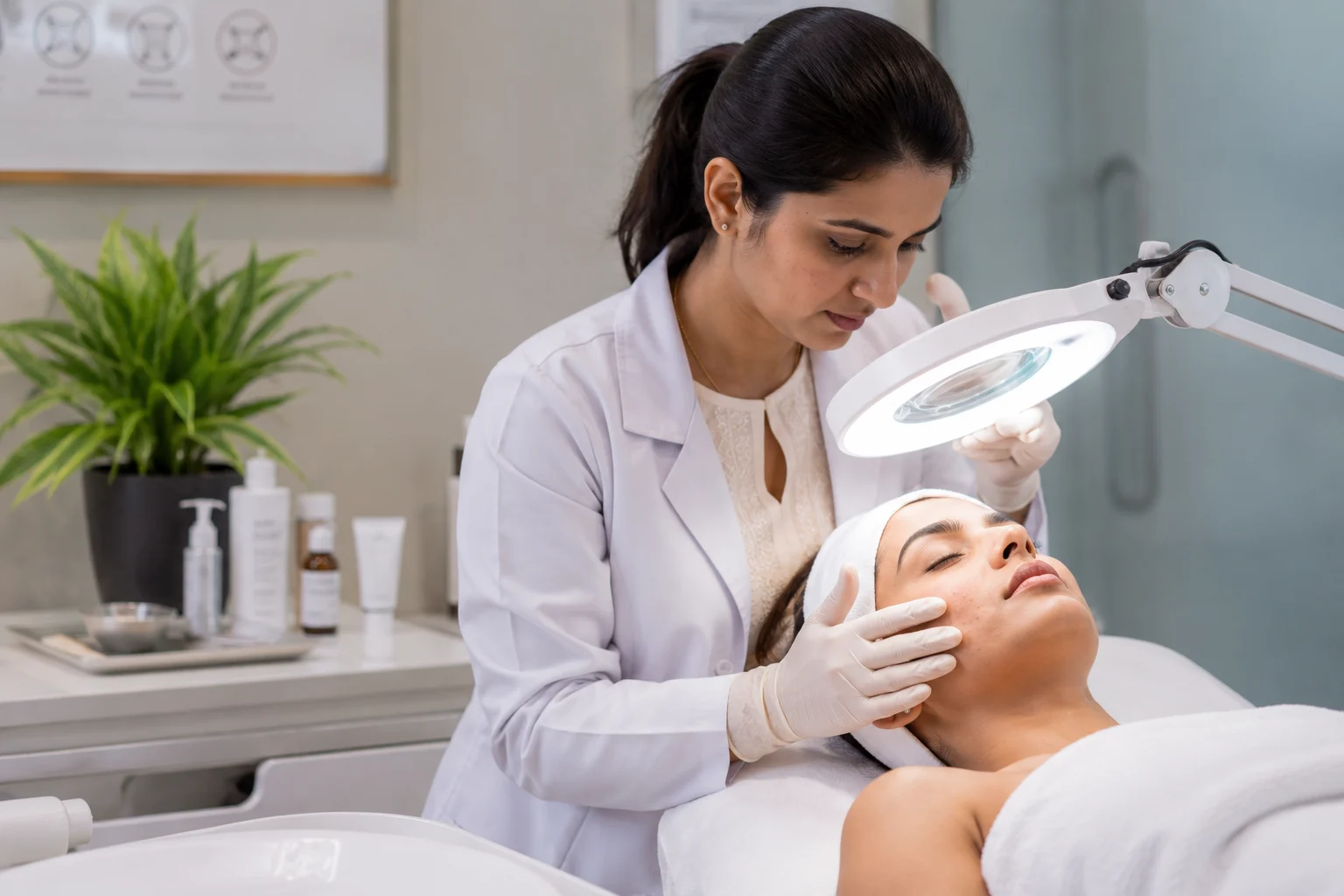

Managing a long-term illness requires an approach that goes beyond standard medical visits. Chronic illnesses such as type 2 diabetes, congestive heart failure, rheumatoid arthritis, chronic kidney disease, and severe asthma demand continuous attention, fine-tuned therapies, and regular monitoring. While primary care physicians serve as vital gatekeepers for general health, the complexity of lingering diseases often exceeds the scope of a standard fifteen-minute office consultation.
Specialized clinics have emerged as a critical modern solution for individuals navigating these ongoing health challenges. By concentrating expertise, advanced tools, and dedicated multidisciplinary teams under one roof, these centers provide a level of focused care that significantly improves long-term health outcomes and overall quality of life.
Deep Expertise and Focused Clinical Knowledge
The primary advantage of a specialized clinic lies in the depth of medical expertise available. Healthcare providers in these settings dedicate their entire practice to a single organ system, disease group, or metabolic process. This concentration of experience translates directly into refined diagnostic accuracy and targeted treatment strategies.
-
Subspecialty Mastery: Clinicians in specialized facilities evaluate dozens of complex cases weekly. This high case volume allows them to recognize subtle disease variations, subtle medication side effects, and early signs of disease progression that general practitioners might overlook.
-
Adherence to Modern Guidelines: Medical research evolves rapidly. Specialists routinely incorporate updated clinical guidelines, newly approved pharmaceuticals, and modern diagnostic protocols into daily practice faster than broad-spectrum practices.
-
Access to Cutting-Edge Therapies: Specialized centers frequently offer access to advanced biologics, targeted molecular therapies, and advanced medical devices that are not routinely prescribed or managed in general medical offices.
When a physician evaluates one specific condition every day, their clinical intuition and familiarity with rare complications increase dramatically. This focused environment reduces diagnostic delays and ensures that therapeutic adjustments are made promptly.
Multidisciplinary Team-Based Care Models
Chronic disease management is rarely a one-person job. A patient managing chronic kidney disease or severe cardiovascular illness often needs dietary guidance, medication reconciliation, physical rehabilitation, and lifestyle support in addition to physician visits. Specialized clinics structure their operations around comprehensive team-based care.
Instead of referring patients to multiple independent offices across town, specialized clinics co-locate key healthcare professionals within the same facility:
-
Nurse Navigators and Care Coordinators: They guide patients through complex appointment schedules, facilitate communication, and ensure follow-up testing occurs on time.
-
Clinical Pharmacists: They evaluate complex drug regimens, screen for drug interactions, adjust dosages based on organ function, and help mitigate side effects.
-
Registered Dietitians and Nutritionists: They design customized meal plans tailored to precise medical requirements, such as restricting sodium for heart failure or managing glycemic load for diabetes.
-
Physical and Occupational Therapists: They help maintain physical mobility, manage joint pain, and adapt daily activities to preserve independence.
This collaborative model eliminates communication barriers. When doctors, nurses, dietitians, and pharmacists share the same electronic health record system and work side by side, care plans are unified rather than fragmented.
Advanced Diagnostic Tools and Tailored Treatment Plans
Standard outpatient offices often rely on basic lab work and external imaging facilities for diagnostic evaluations. Specialized clinics, by contrast, invest heavily in condition-specific technology designed for deep assessment and precise tracking.
For instance, a specialized pulmonary clinic maintains state-of-the-art body plethysmography equipment and high-resolution imaging designed specifically for respiratory evaluation. Similarly, an endocrinology center utilizes continuous glucose monitoring integration platforms and specialized nerve conduction testing tools on site.
Having immediate access to specialized diagnostics yields several key benefits:
-
Real-Time Data Interpretation: Diagnostic tests are conducted and interpreted by experts during the same visit, speeding up treatment decisions.
-
Precision Medicine: Treatment plans are customized to match the patient’s specific genetic markers, disease staging, and lifestyle constraints rather than relying on one-size-fits-all protocols.
-
In-House Testing Efficiency: Patients avoid scheduling separate appointments at external imaging or testing centers, reducing stress and time off work.
Enhanced Patient Education and Self-Management Support
Successful management of a chronic illness depends heavily on what happens outside the clinic walls. Patients must make daily decisions regarding medication dosing, dietary choices, physical activity, and symptom monitoring. Specialized clinics recognize that patient empowerment is as important as clinical intervention.
These facilities allocate extended consultation times specifically to educate patients and their families. Rather than rushing through instructions, clinical educators take time to explain:
-
Disease Mechanics: Helping patients understand the physical underlying causes of their symptoms so they recognize why specific treatments are necessary.
-
Symptom Action Plans: Constructing clear step-by-step instructions on what steps to take when specific symptoms flare up, including when to adjust medications or seek immediate help.
-
Technique Mastery: Providing hands-on training for medical devices such as insulin pumps, inhaler spacers, home dialysis machines, or subcutaneous injection pens.
When patients clearly understand their condition and feel confident using their medical tools, treatment adherence rates rise, and anxiety surrounding disease management decreases significantly.
Proactive Disease Monitoring and Prevention of Complications
In traditional healthcare delivery, patients often seek medical care only when symptoms worsen or an emergency occurs. Specialized chronic care clinics flip this paradigm by adopting a proactive, preventative approach.
By implementing structured surveillance protocols, these centers actively monitor disease progression to catch minor changes before they escalate into acute crises. Proactive monitoring strategies include:
-
Remote Patient Monitoring: Utilizing digital sensors, wearable devices, and connected scales that automatically transmit physiological data like blood pressure, heart rhythm, or blood glucose directly to the care team.
-
Scheduled Biomarker Tracking: Establishing regular intervals for lab work to track kidney function, inflammatory markers, or hemoglobin A1c levels before physical symptoms develop.
-
Routine Complication Screening: Performing preventative checks, such as annual retinal exams for diabetic patients or bone density scans for individuals on long-term steroid therapy.
This rigorous oversight dramatically reduces the likelihood of emergency room visits, emergency hospital admissions, and permanent organ damage, ultimately lowering overall healthcare costs for patients and systems alike.
Navigating the Shift to Specialized Care
Transitioning from general care to a specialized clinic does not mean severing ties with a primary care physician. In fact, the most effective healthcare systems function through strong partnership between primary care providers and subspecialists.
Primary care doctors remain essential for routine preventive screenings, vaccinations, and acute minor illnesses. Meanwhile, the specialized clinic assumes leadership over the specific, high-complexity chronic disease. This cooperative framework ensures that the patient receives both broad wellness management and deep targeted intervention.
Frequently Asked Questions
How do I know if my chronic condition requires a specialized clinic rather than a primary care physician?
You should consider a specialized clinic if your symptoms remain uncontrolled despite standard treatment, if you experience frequent medication side effects, or if your condition requires complex monitoring technology. Additionally, if your illness significantly interferes with daily activities or involves multiple organs, subspecialist evaluation is highly beneficial.
Will insurance typically cover visits to a specialized chronic care clinic?
Most health insurance plans cover specialized clinic visits when medically necessary, though coverage details depend on your specific policy. Certain insurance plans may require a formal referral from your primary care physician before approving consultations with subspecialists.
Do specialized clinics completely replace my primary care provider?
No. Specialized clinics focus strictly on managing your specific chronic illness. You still need a primary care physician to handle general health maintenance, annual physicals, routine vaccinations, cancer screenings, and everyday acute issues like minor infections.
Can specialized clinics assist with clinical trial enrollment for rare or advanced conditions?
Yes. Specialized clinics are frequently affiliated with academic research institutions and medical centers. As a result, their physicians are often primary investigators in clinical trials, giving patients access to novel therapies and experimental treatments not yet available in general practices.
How do specialized clinics utilize telemedicine for ongoing chronic disease management?
Specialized clinics frequently use telemedicine for routine check-ins, medication adjustments, lab review sessions, and remote data review. Virtual visits allow clinicians to monitor stable patients frequently without forcing the patient to travel long distances or sit in waiting rooms.
What should I prepare for my initial intake consultation at a specialized clinic?
Bring a complete list of current medications with precise dosages, relevant medical records, recent laboratory results, imaging reports, and a summary of your medical history. It is also helpful to write down a detailed list of current symptoms, daily challenges, and specific questions for the care team.
Are specialized clinics equipped to manage patients with multiple overlapping chronic conditions?
Many specialized clinics operate within integrated health systems that feature multiple subspecialties under one organizational structure. In these environments, specialists cross-consult with one another to ensure that treatments prescribed for one condition do not negatively impact another existing health issue.

Comments are closed.